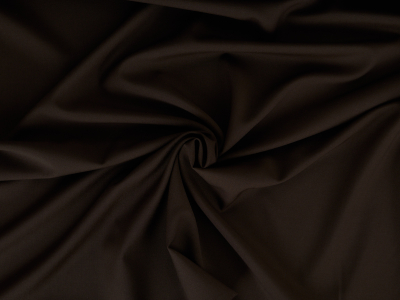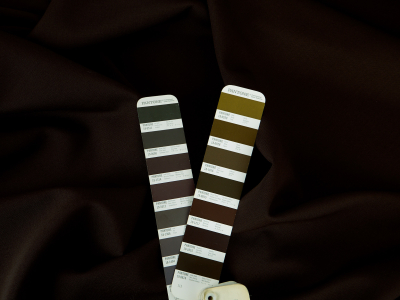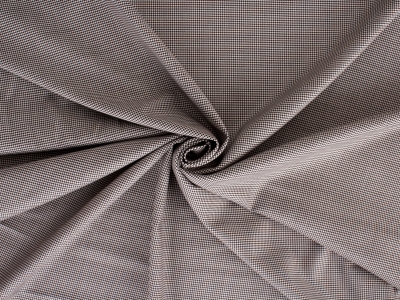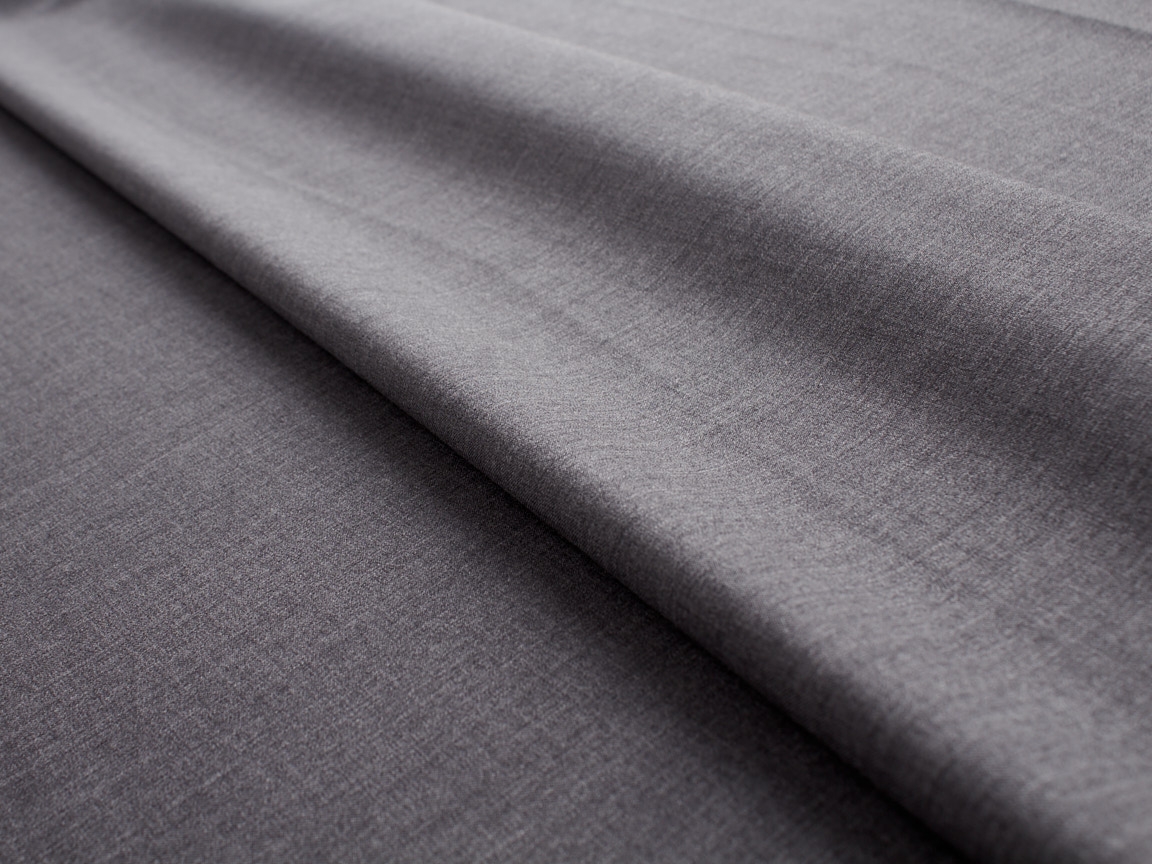

Suit material wool 130s
Width: 150cm
Weight: ~170 g/m2; 255 g/mb
Composition: 100% virgin wool
The fabric for a suit made of 130s wool is a classic in every wardrobe. It's like a good espresso: strong, elegant, and always in place. Fabric category: wool. It is 100% virgin wool, 170 g/m², 150 cm wide. The matte finish and super 130's fine wool weave provide a smooth, soft touch. Lightness and elegance in one.
The 130s fine wool weave creates thin fibers with excellent elasticity, resulting in a smooth surface and natural breathability. Wool provides thermal comfort and minimizes wrinkles, while the matte finish emphasizes the formal character of the suit. Wool labeled as 130s belongs to the group of high-quality combed wools, where the parameter "s" refers to the thickness of the fiber, more specifically to its diameter measured in microns. The higher the "s" value, the thinner, more delicate, and nobler the fiber feels to the touch.
The 130s wool is made from very fine merino fibers with a diameter of about 16.5–17 microns. Fabrics made from such yarn are characterized by exceptional softness, a smooth, almost silky surface, and high elasticity. The material drapes well, creating an elegant, flowing line and providing high wearing comfort without the feeling of "itchiness." It is distinctly luxurious wool, most often used in premium class suits and blazers designed for occasional or moderate use, where aesthetics and the lightness of the fabric are of key importance.
In comparison, 120s wool is also of very high quality, but the fiber is slightly thicker—ranging from 17 to 18 microns. As a result, the material retains significant softness and an elegant appearance, but gains greater resistance to wrinkles and abrasion. 120s fabrics are more versatile, better suited for everyday office use, offering a favorable compromise between luxurious feel and durability.
On the other hand, 100s wool is based on fibers with a diameter of about 18.5–19.5 microns. It is noticeably more durable, structurally more stable, and less prone to mechanical damage. It remains pleasant to the touch, but not as silky smooth as 120s or 130s. This is practical material, often chosen for daily suits that are worn intensively, where durability and ease of care are more important than maximum delicacy.
In summary, the differences between 100s, 120s, and 130s mainly arise from the thinness of the fiber, which directly affects the softness, appearance, and durability of the fabric. 100s wool is a solid, functional base for everyday wear, 120s represents an elegant and versatile premium standard, while 130s is the most luxurious option, emphasizing subtlety, lightness, and refined aesthetics.
Available colors: gray mélange, graphite mélange, black, dark navy, navy. Mélange shades add depth, while black and navy create a classic, formal look. The 130s weave provides a uniform, noble texture with a matte finish that beautifully drapes in blazers and trousers.
The safest way to care for 130s virgin wool is through dry cleaning. At home, hand wash at 30°C with a gentle wool detergent; gently press out water, do not wring. Lay flat to dry, away from sunlight. Iron on the reverse side using steam, with a protective cloth, setting the iron to medium temperature.
With a weight of 170 g/m² and a width of 150 cm, this material is perfect for sewing two-piece and three-piece suits, as well as elegant blazers. The 130s weave guarantees a clean contour and comfort in wearing. The matte finish suits both classic and modern cuts. An investment in a wardrobe that will last for years.
Data sheet

Suit material wool 130s
Width: 150cm
Weight: ~170 g/m2; 255 g/mb
Composition: 100% virgin wool